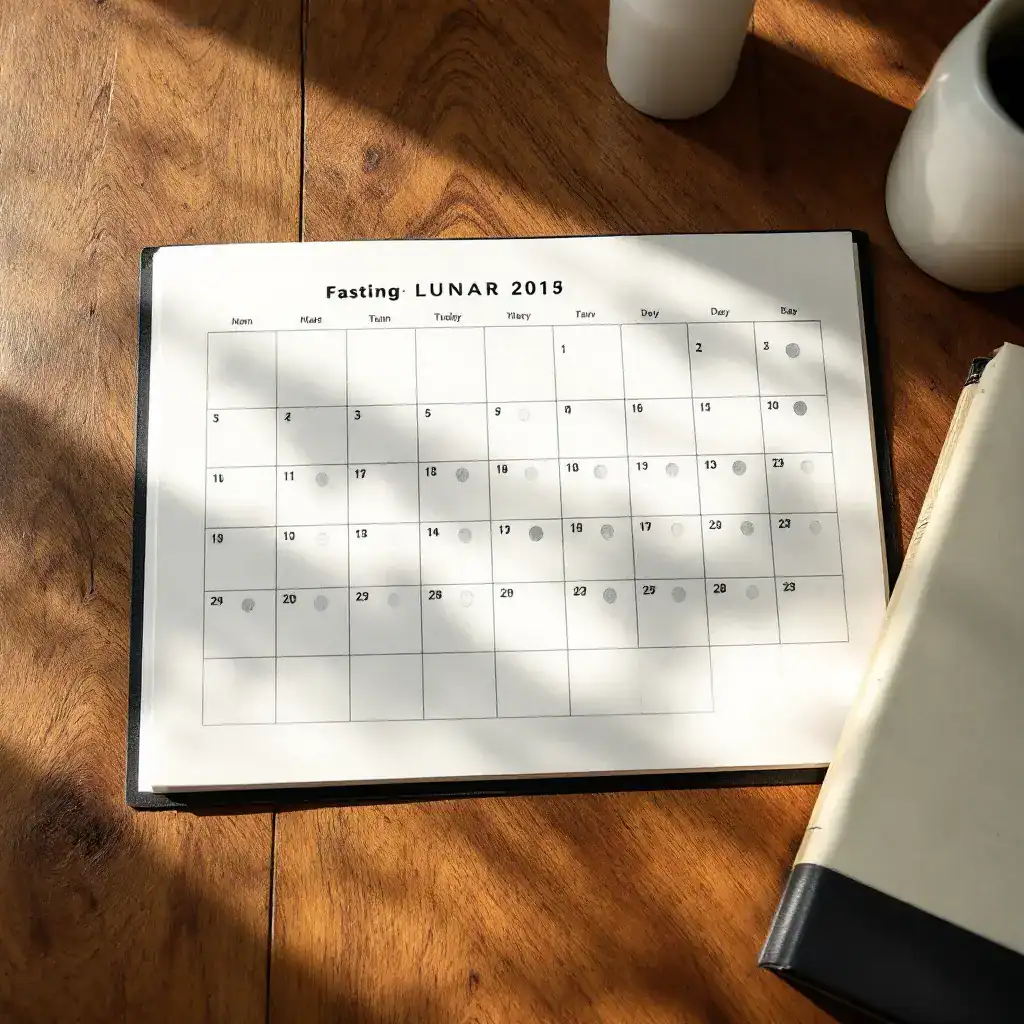
The Christos Oil fasting schedule revolves around specific times when the moon enters your sun sign. This marks a window to preserve and enhance the body’s sacred secretion.

This fasting window typically lasts about 2.5 days and is considered crucial for letting the Christos Oil increase in energetic vibration within the body. Timing your fast with astrological movements is said to ensure optimal spiritual and physical benefits.

Many people use charts or digital tools to track when the moon aligns with their birth sign. This phase is considered the ideal moment for fasting and internal regeneration.

By following this schedule, you can support the awakening of dormant energy. It’s also believed to promote physiological renewal connected to ancient mystical traditions.

For detailed monthly timings, it’s wise to consult dedicated resources like the Christos Oil fasting schedule.

Understanding Christos Oil and Fasting Principles

Christos Oil carries deep symbolic and practical significance, rooted in ancient spiritual traditions. Fasting associated with it involves disciplined dietary practices that sync up with specific cosmic and bodily rhythms.

These combined practices aim to support both physical purification and enhanced spiritual awareness. There’s a lot more to it than just skipping meals.

Origins and Meaning of Christos Oil

Christos Oil comes from the Greek word “Christos,” meaning “the anointed one.” Traditionally, it symbolizes consecration through anointing—a sacred connection to divine energy.

The oil isn’t just a substance; it’s seen as a carrier of spiritual power, often linked to the preservation and activation of secretions within the body. Some people really lean into this symbolism.

In mystical Christianity and esoteric traditions, Christos Oil is connected to the awakening of spiritual energy, or the “Christos seed.” This energy is believed to rise along the spine during purification practices.

The oil serves as a medium for internal regeneration and coherence, harmonizing the physical and spiritual planes. Its use in fasting emphasizes not just restraint in diet, but also the support of a sacred transformation process.

Basic Concepts of Fasting

Christos Oil fasting follows structured cycles based on solar and zodiacal timings. The fast usually restricts meat, dairy, eggs, fish, oil, and wine on certain days—commonly Wednesdays and Fridays, following Orthodox Christian tradition.

The fasting process is intentional, involving both abstention and careful timing that respects bodily rhythms and cosmic influences. The idea is to create a rhythm of purification designed to cleanse the body and invigorate spiritual sensitivity.

The use of fasting here goes beyond just physical benefits. It’s about stimulating internal activation through dietary discipline and cosmic attunement.

Spiritual and Physical Intentions

The fasting schedule tied to Christos Oil has a dual focus: physical purification and spiritual elevation. Physically, it encourages detoxification and a metabolic reset through dietary restrictions that are timed with natural cycles.

This is supposed to boost the body’s capacity to maintain sacred secretions, which are believed to be essential for vitality and regeneration. Spiritually, the fasting ritual is a tool for inner transformation.

The act of abstaining is paired with intentions of aligning with higher states of consciousness and activating dormant brain functions. It’s about fostering a state of coherence, where you can experience a deeper connection—internally with your body’s sacred energies, and externally with cosmic rhythms.

For detailed fasting guidance linked to Christos Oil’s timing, see the Christos Oil Fasting Calendar.

Establishing an Effective Fasting Routine

An effective fasting routine needs attention to timing, daily habits, and preparation. Each element helps create a sustainable practice that aligns with Christos Oil fasting principles.

Timeframes and Duration Options

The Christos Oil fasting schedule usually aligns with solar and zodiac cycles. Fasting windows are chosen to harmonize with natural rhythms.

Common fasting durations range from 12 to 24 hours, depending on your goals and experience. Shorter fasts, like 12–16 hours, focus on daily purification and are easier to stick with. Longer fasts, 18–24 hours, emphasize deeper cleansing but need more caution and prep.

You can choose cycles based on lunar phases or zodiac alignments to try for optimal results. Flexibility is honestly key—adjusting fasting duration weekly or monthly, as needed, can make the whole thing more doable.

Recommended Daily Patterns

Daily fasting patterns often use an eating window structure, prioritizing light, nutrient-dense meals during certain periods. Common patterns include:

These patterns encourage you to eat during daylight hours, which lines up with the Christos Oil principle of solar coherence. It’s usually best to avoid heavy meals late in the day, supporting the body’s natural detoxification during fasting hours.

Hydration with water or permitted oils during fasting periods helps strengthen the effect without breaking the fast.

Preparation Steps Before Starting

Preparation starts with gradually adjusting eating habits to reduce stress on the body. Hydrate well and cut out processed foods, sugars, and stimulants several days before starting.

Mentally, setting clear intentions related to both physical purification and spiritual goals can really help with consistency. Tracking fasting windows and noting any physical or emotional responses makes it easier to tweak things as needed.

It’s smart to check with a healthcare professional, especially if you have any underlying health conditions. Rest, gentle movement, and a calm environment can make the transition into fasting smoother.

For a detailed Christos Oil fasting schedule and alignment, see fasting guidance based on traditional teachings at Christos Oil fasting schedule.

Integrating Christos Oil Into Your Schedule

Successfully integrating Christos Oil involves paying attention to timing, method, and diet. You’ll need to align with specific cycles and keep up with appropriate nutritional habits to get the most out of it.

Methods of Incorporation

Christos Oil can be incorporated through meditation, breathwork, and internal focus exercises. Many people use pranayama techniques to guide the energy upward, helping activate the sacred secretion.

Daily practice often includes quiet, focused periods for purification. Some folks also use external anointing as a symbolic reminder, though the main work is internal and energetic.

Consistency in these methods builds coherence within your system over time. Guided meditations or astrology calendars can help you stick with it.

Optimal Timing for Use

Timing is a big deal here. Traditionally, it’s linked to lunar and zodiac cycles.

The most important period is when the Moon enters your star sign, which marks a heightened state for sacred secretion preservation. Practitioners usually start just before this lunar transition and continue for several days after—often around five days.

Some people use both Tropical and Sidereal zodiac systems to widen the practice window. During this phase, it’s best to avoid distractions and temptations to maintain purity and focus, in line with traditional Christos Oil fasting calendars.

Synergy With Nutritional Intake

During Christos Oil fasting periods, dietary discipline is non-negotiable. The focus is on cutting out processed foods, stimulants, and toxins to help with purification.

A clean, plant-based diet supports the internal cleansing process. Hydration is emphasized to assist with detoxification.

Mindful eating—especially avoiding alcohol and heavy proteins—strengthens the energetic flow needed for the sacred secretion to rise. This synergy really boosts the overall effectiveness of the fasting schedule and spiritual practice.

For detailed guidance on timing, see fasting schedules related to Christos Oil and how to sync nutrition with lunar phases.

Best Practices for Sustainable Results

Getting lasting benefits from the Christos Oil fasting schedule takes careful attention to body signals, flexibility, and a steady approach. These strategies help keep you healthy and make the practice stick.

Listening to Body Signals

You’ve got to pay attention to how your body responds during fasting. Signs like fatigue, dizziness, or persistent hunger mean it’s time to adjust fasting length or what you’re eating.

Tracking energy, mood, and digestion daily gives you useful feedback. Sometimes you’ll need to up your hydration, add electrolytes, or tweak your fasting windows to feel good.

Knowing when to pause fasting—especially if you’re sick or super active—is important to avoid harm. The key is tuning into hunger cues without falling into overeating after the fast ends.

Adjusting the Approach Over Time

Adapting the fasting schedule is essential as your lifestyle and health change. The Christos Oil method is all about flexibility—fasting times might shift to better match seasonal or circadian rhythms.

If you’re traveling, dealing with work stress, or your sleep is off, gradual changes can help. Experiment with fasting durations or meal timing, and monitor how you feel.

Reevaluating every few weeks helps you figure out what’s working. Professionals might suggest changing fasting intensity based on age, metabolic health, or specific goals.

Maintaining Balance and Consistency

Consistency in fasting practice helps you rack up benefits, but balance prevents burnout. Pairing fasting with nutrient-dense meals during eating windows keeps you nourished.

Finding a routine that fits your daily life makes it easier to stick with. Fasting from evening to midday might suit you better than a rigid schedule.

Mindfulness during both fasting and eating phases—without obsessing over perfection—creates a sustainable rhythm. Regular hydration and not going overboard with caloric restriction keep things balanced.

Potential Benefits and Outcomes

The Christos Oil fasting schedule is linked to a variety of effects for both body and mind. There are physical improvements connected to purification and cellular health, and there’s also mental clarity and heightened awareness tied to spiritual practices.

Physical Wellness Effects

This fasting schedule emphasizes cleansing through alignment with natural cycles, especially solar and zodiac rhythms. The approach aims to support detoxification and boost metabolic balance.

Practitioners often say they notice improved digestion, less inflammation, and steadier energy. The process may also help preserve beneficial secretions like the cerebral spinal fluid—aka Christos Oil—which nourishes the brain and body.

Key physical outcomes include:

For more details on fasting guidance and physical benefits, see the Christos Oil fasting calendar.

Spiritual and Mental Clarity

Christos Oil fasting is closely tied to spiritual purification and mental focus. The schedule encourages abstinence aligned with chakra refinement, especially the fifth chakra tied to communication and clarity.

Participants often report increased concentration, calm, and fewer mental distractions. The regimen is designed to support the refinement of the “sacred secretion,” helping with neurotransmitter balance and mental coherence during fasting.

Key mental and spiritual outcomes include:

You can dig deeper into the spiritual aspects in discussions about the Crucifixion of Christ Oil and its astrological timing.

Safety Considerations and Contraindications

The fasting schedule based on Christos Oil needs attention to your health status and how it might affect your body’s rhythms. There are some risks and conditions to consider so you don’t cause harm or mess with existing medical issues.

Possible Risks and Precautions

Fasting in this tradition can impact hydration and electrolyte balance, especially if practiced strictly for long stretches. People with health conditions like diabetes, kidney disease, or heart issues should be extra careful, since fasting can affect blood sugar and blood pressure.

There’s a risk of nutrient deficiencies if you’re super restrictive with oils and other essentials, which can mess with your physical and cognitive function. Fatigue, dizziness, and low energy are common side effects to watch for.

Stick to proper hydration and adjust gradually to avoid shocking your system. Keep an eye out for dehydration, excessive weakness, or weird headaches. If you’re pregnant, breastfeeding, or recovering from illness, don’t fast without professional guidance.

When to Consult a Professional

Anyone thinking about a Christos Oil fasting schedule should talk to a healthcare provider first, especially if you have chronic illnesses or take medications. Professionals can help assess risks tied to your specific health needs.

Medical advice is crucial for folks with metabolic or heart conditions, since fasting can change metabolism, blood sugar, and heart function. Dietitians or nutrition specialists can help design a safe plan that keeps nutrients up while honoring the spiritual side of the fast.

If you get severe dizziness, fainting, persistent headache, or chest pain while fasting, seek medical help right away. Professionals can help you tweak the approach to stay safe without sacrificing your personal or religious goals.

For more on fasting aligned with spiritual practices, check out the fasting schedule – Christos Oil.

Adapting the Schedule for Individual Needs

Adjusting the fasting schedule means staying in tune with your body, your spiritual goals, and your daily routine. Flexibility is crucial for keeping things effective without adding unnecessary stress.

Practical changes help you align the experience with both health and spiritual intentions. There’s no one-size-fits-all—find what works for you and roll with it.

Personalized Adjustments

Individual tolerance to fasting really runs the gamut. Age, metabolism, health—there’s a lot in the mix.

Some folks ease in with shorter fasting windows or alternate days, just to dodge burnout or missing out on nutrients. It’s smart to keep an eye on your energy, mood, hydration—basically, listen to your body so things don’t go sideways.

Adjustments might mean tweaking meal times or picking lighter foods when you’re not fasting. Some lean on herbal teas or water with a splash of electrolytes to keep things balanced.

Jotting down your experiences over a few cycles can be surprisingly useful. It gives you a sense of what’s working (or not) so you can fine-tune for the best mix of fasting benefits and, you know, actually getting through the day.

Integrating With Different Lifestyles

The Christos Oil fasting schedule weaves into all sorts of lifestyles. Whether you’re training hard or mostly desk-bound, the trick is fitting fasting into your work hours, sleep, and social stuff without it getting messy.

If you’re active, it’s probably best to avoid fasting when you need energy for workouts. People with unpredictable routines might just go for flexible windows instead of strict ones.

Meal planning gets pretty important. It helps you keep up with nutrients and avoid grabbing whatever’s in reach during eating hours.

Sometimes, letting your family or friends know what you’re up to makes a difference. A bit of support or just understanding can go a long way.

For more on timing options or personalizing things, there’s a fasting schedule overview at Christos Oil.

Monitoring Progress and Measuring Success

Tracking progress with the Christos Oil fasting schedule isn’t just about physical stuff—it’s mental and spiritual too. Pay attention to changes in energy, clarity, and your general mood as you go.

A daily journal works well for this. You can note fasting hours, mood swings, how you’re sleeping, or any odd physical stuff that pops up.

Over time, you’ll probably notice patterns. That’s when you can start making tweaks to get more out of it.

Some key things people look for:

It helps to be consistent—especially if you’re following the lunar calendar. Days when the moon’s in your zodiac sign are a big deal for Christos Oil fasting.

A few folks use apps or digital tools to track moon phases and fasting times. Handy if you like reminders or seeing your progress in charts.

Sharing your experience with others—maybe a mentor or a group—can keep you accountable. Sometimes you get insights you wouldn’t have found on your own.

If you want more guidance or a structured way to stay on track, check out the Christos Oil fasting calendar.

Resources for Continued Guidance

If you’re following the Christos Oil fasting schedule, there are a handful of tools and materials out there to make things smoother. Devotional guides, prayer prompts, and nutritional tips can help you stay focused and maintain some balance during the fast.

You might find structured fasting calendars pretty useful, especially the ones that line up with solar and zodiac cycles. They let you track optimal fasting days and offer a framework that ties spiritual practice to natural rhythms.

There’s also digital support if that’s more your thing. Some creators share monthly updates on fasting dates through Telegram channels, keeping timing accurate with lunar and constellation calculations.

These updates come in handy if you want to stick closely to Christos Oil principles.

A lot of folks like practical fasting starter kits, too. Usually, these kits include tips, recipe ideas, and devotional materials to help with both preparation and spiritual engagement.

That mix of practical and devotional support really does make it easier to stay committed.

If you’re curious to dig deeper, comprehensive fasting guides can offer biblical context and spiritual insights. Most of these guides touch on different fasting types, health considerations, and prayer strategies.

Community-based materials or church-sponsored booklets—think 14- or 21-day fasting and prayer schedules—can also help. They encourage accountability and a sense of shared experience, which honestly makes a difference.

These resources are flexible, so you can adapt them to your own health needs and spiritual goals.

You can check out example resources like the Christos Oil fasting schedule or related prayer and fasting guides if you want something more structured.

Content Notice: Some articles on this site are produced with AI assistance as part of an educational content series. All content is intended for general informational purposes only and reflects publicly available research and interpretation. It has not been individually verified. Conduct your own research before acting on any information here. For the complete and authoritative framework on this subject, see Master Thyself by A. Wolfram.

Leave a Reply

Your email address will not be published. Required fields are marked *